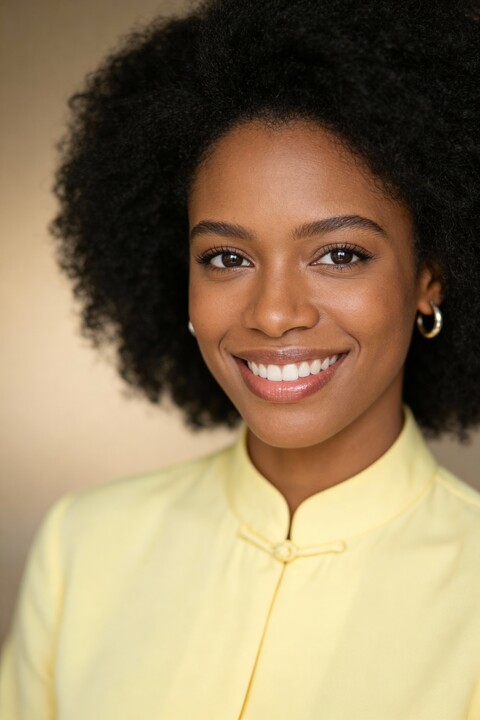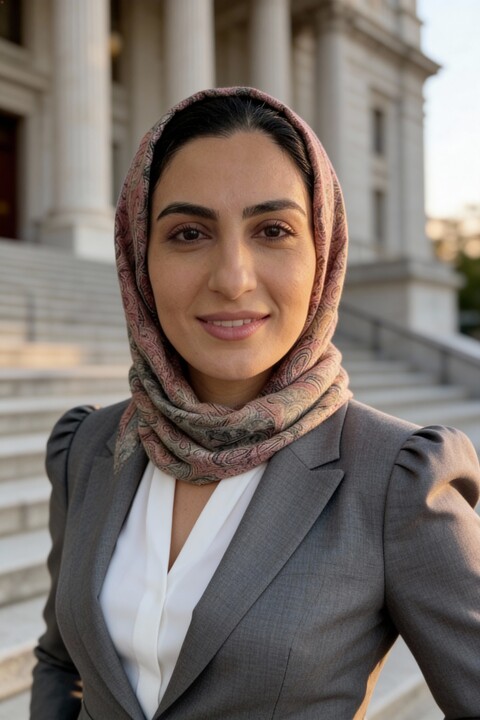
What to Wear

What to wear for professional headshots

A practical guide to colors, necklines, fit, and patterns, so you look like the role you want, whether you shoot with a camera or with us.

What you wear in a headshot does more work than people realize. Before anyone reads your name, your clothing has already told them how senior you are, how approachable you seem, and whether you fit the role you want.

This is a practical, no-nonsense guide to dressing for a professional headshot, by color, neckline, fit, and profession, whether you are sitting for a photographer or generating one with AI.

Start with where the photo will live

The right outfit depends entirely on context. A corporate LinkedIn photo, a startup team page, and a creative portfolio call for different clothes.

Before anything else, picture where this headshot will be used and who will see it. Dress for the job you want to be hired for, not necessarily the one you have today. Everything below assumes you have answered that question first.

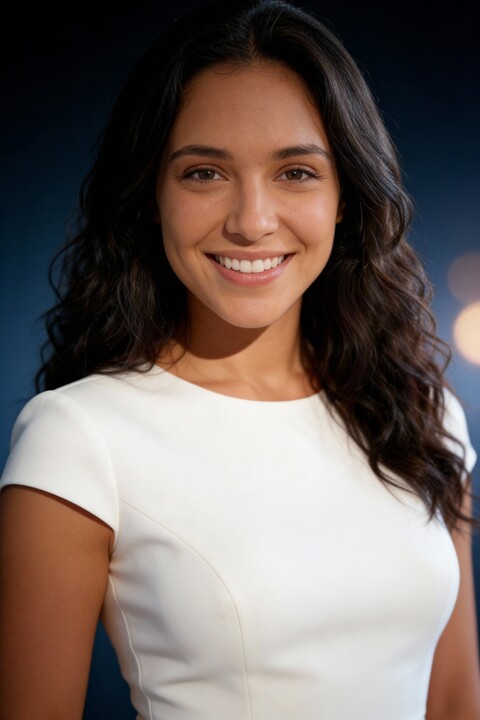
Pick your look first

Most professional headshots fall into one of four looks. Choose the one that matches where the photo will live:

  • Business formal: suits, blazers, structured jackets, crisp collars. Best for finance, law, consulting, and leadership.
  • Business casual: a blazer over a knit, a collared shirt without a tie, a smart sweater. The default for most office and client-facing roles.
  • Casual: a clean, well-fitting solid top. Right for creative, startup, and personal-brand profiles.
  • Medical: clean scrubs or a lab coat over a simple top, for doctors, nurses, dentists, and healthcare staff.

Colors that photograph well, and why

Solid, muted colors almost always win because they keep attention on your face. Navy, charcoal, deep blue, forest green, burgundy, and soft gray are reliable across skin tones.

The goal is contrast. Your clothing should separate cleanly from both the background and your skin. A mid-tone top against a lighter background reads crisp; the same top against a same-tone background makes you blend in. If you want a pop of color, a single saturated jewel tone is far safer than a busy mix.

Colors and patterns to avoid

A few choices reliably hurt a headshot:

  • Tight stripes, fine checks, and herringbone: they can shimmer or create a distracting moire pattern in photos.
  • Loud patterns, big logos, and slogans: they pull the eye away from your face.
  • Neon and highly saturated brights: they can cast color onto your skin and date the photo.
  • Pure brilliant white: it can blow out under lighting; a soft white or off-white is safer.
  • All black on a dark background: detail disappears and you lose shape. Add contrast or a layer.

Necklines, collars, and structure

Structure around the neck and shoulders reads as polish and seniority. A blazer, a collared shirt, or a structured knit gives the frame definition; a plain crew-neck tee reads more casual.

For most people a collar or a layer adds authority without looking stuffy. V-necks and open collars feel more approachable; closed collars and ties feel more formal. Match the neckline to the seniority and warmth you want to project, and make sure nothing bunches or gaps when you sit.

Fit matters more than the brand

A well-fitted $40 shirt beats an expensive one that pulls at the buttons or swallows your shoulders. In a head-and-shoulders crop, the shoulder seams and collar are what the eye reads first.

Make sure shoulder seams sit where your shoulders end, collars lie flat, and there is no bunching across the chest. If you are layering a jacket, the collar of the shirt underneath should sit cleanly. Fit is the single easiest way to look more expensive than you are.

Fabric, texture, and wrinkles

Matte, structured fabrics photograph better than shiny ones. A fine knit, wool, or crisp cotton reads premium; satin and high-shine synthetics can catch light and look cheap.

Texture adds quiet richness, so a subtle knit or a tweed blazer can look better than a flat solid. Whatever you choose, it must be clean and pressed. Wrinkles and lint are the most common thing that makes an otherwise good headshot look sloppy.

Glasses, jewelry, and accessories

Keep accessories simple so they support your face instead of competing with it:

  • Glasses: use anti-glare lenses if you can, and tilt slightly to avoid reflections. Make sure frames do not cover your eyes.
  • Jewelry: small and simple. Studs and a thin chain read professional; large or shiny pieces distract.
  • Watches and pins: fine if subtle, but nothing that catches the light or shouts.
  • Ties and pocket squares: appropriate for formal looks; keep patterns small and muted.

Grooming and day-of details

Clothing is only half of it. Hair should be styled the way you actually wear it, neat and out of your eyes. Facial hair should be deliberate, either cleanly shaved or tidily groomed.

For makeup, matte beats shiny under lighting, and the aim is a polished version of your everyday look, not a dramatic change. If your hands might appear in the shot, tidy nails. These small things are what separate a headshot that looks intentional from one that looks like a quick snapshot.

What to wear by profession

Use your field's norms as the starting point:

  • Finance, law, consulting: business formal. A dark suit or blazer with a clean collar.
  • Corporate and management: business formal or sharp business casual, depending on company culture.
  • Tech and startups: business casual or a clean solid top. A blazer over a knit splits the difference.
  • Medical and healthcare: scrubs or a lab coat over a simple top reads instantly credible.
  • Real estate and sales: approachable business casual. Warm, friendly, and put-together.
  • Creative fields: more freedom, but keep it intentional. A solid top with good texture and fit.
  • Academia and research: business casual; a blazer signals seniority for faculty profiles.
  • Executives and founders: lead with structure. A well-fitted blazer projects authority.

Dress for your background color

Your outfit and background work as a pair. The two should contrast so you do not blend in.

Against a light or white background, mid-tone and darker clothing pops cleanly. Against a dark or charcoal background, lighter or mid-tone tops keep you from disappearing. Against a colored background, stick to neutral clothing so the scene does not get noisy. If you are choosing a background too, pick it after you pick your outfit, not before.

Virtual and webcam headshots

If you are capturing a photo yourself for a webcam or remote shoot, the same rules apply with two extra notes. Avoid pure green clothing if any background replacement is involved, since it can key out like a green screen.

And lean on solid colors even more than usual, because webcam sensors exaggerate noise in busy patterns. Good, soft, front-facing light will do more for the result than any single wardrobe choice.

If you're using HonestHeadshots

You do not need to own any of this. Upload one clear photo, choose your look, and pick up to three shirt colors you like, and we generate the wardrobe for you.

The one thing that still matters is the source photo: a clear, recent, well-lit shot with your face plainly visible. You can preview the result for free before you pay, so it is easy to try a couple of looks and keep the one that fits the role you are after.

Quick day-of checklist

Before the shutter clicks, or before you upload, run through these:

  • Solid, muted colors that contrast with the background.
  • Clean, pressed, lint-free clothing with no wrinkles.
  • A collar, blazer, or structured layer if you want to read more senior.
  • Well-fitted shoulders and collar, with no bunching or gaping.
  • Simple jewelry, anti-glare glasses, and tidy grooming.
  • No tight stripes, loud patterns, big logos, or pure brilliant white.

Examples

Real AI headshot examples

See all examples
Professional AI headshot example Business AI headshot example LinkedIn AI headshot example Professional headshot generated online

Frequently asked questions

What color shirt is best for a headshot?

Solid, muted tones like navy, charcoal, deep blue, soft gray, and burgundy work across skin tones. Choose one that contrasts with your background, and avoid busy patterns and pure brilliant white.

Should I wear a jacket or blazer?

For business formal, executive, or leadership looks, yes; a blazer adds structure and seniority. For a casual or startup look, a clean, well-fitting solid top is fine.

What should I avoid wearing?

Tight stripes and fine checks that shimmer, loud patterns and big logos, neon brights, pure brilliant white, and anything wrinkled or ill-fitting.

Do I need to actually wear these for AI headshots?

No. With HonestHeadshots you pick your look and up to three shirt colors and we generate the wardrobe. You just need one clear, recent photo of yourself.

What should women wear versus men?

The same principles apply to everyone: solid muted colors, good fit, simple accessories, and structure around the neckline. A blazer, structured knit, or collared top reads professional regardless of gender.

Get a headshot you can actually use.

See a free watermarked preview first. Pay only when you want to unlock the full set.

Get Your Free Preview